October 12th is Columbus’s birthday; a national holiday, so most things are closed in Barcelona. We made plans to go to Figueres and visit the Dali Museum. Salvador Dali was a friend of Fredrico Garcia Lorca; he created the stage sets for one of Lorca’s plays. While Dali isn’t directly connected to flamenco, he is a part of the art movement that embraced contemporary flamenco; installations and flamboyant theatre.
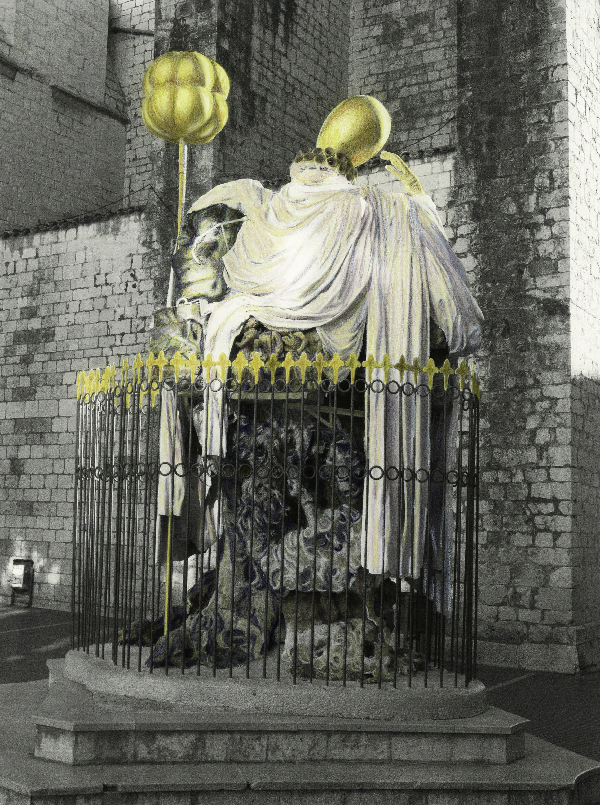
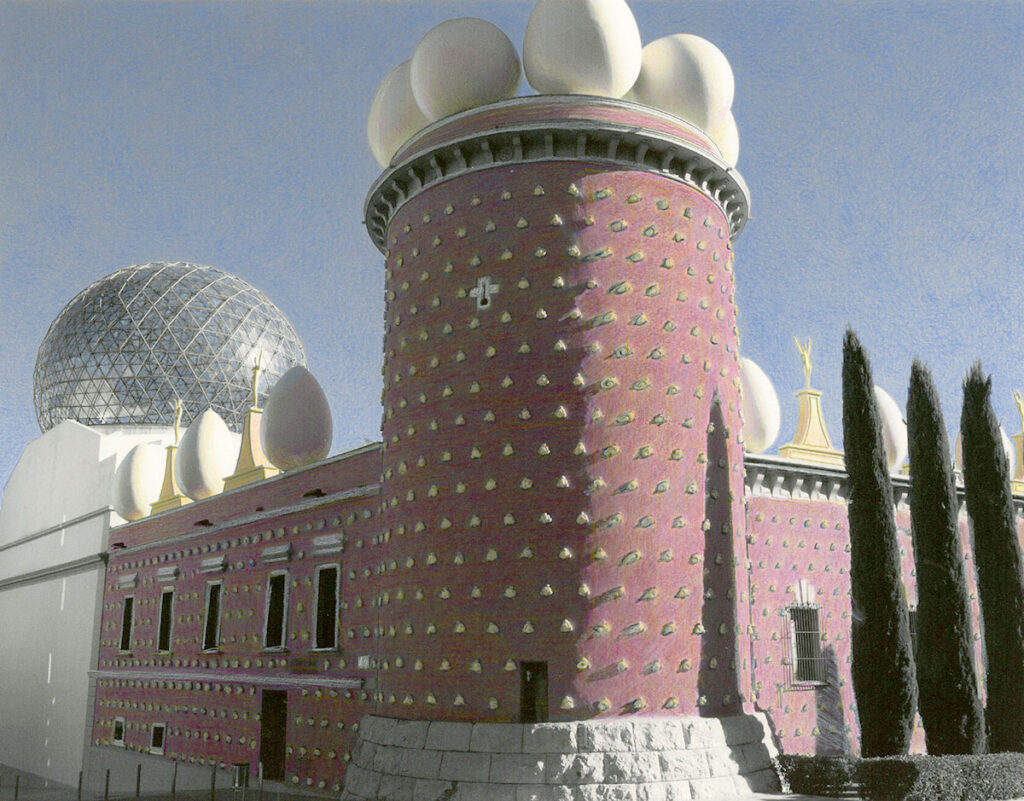
When Dali set out to build a museum to house his legacy he decided that the most natural choice of location was his home town of Figueres. He converted the town’s theatre into a visual experience.
“I want my museum to be a single block, a labyrinth, a great surrealist object. It will be a totally theatrical museum. The people who come to see it will leave with the sensation of having had a theatrical dream.”
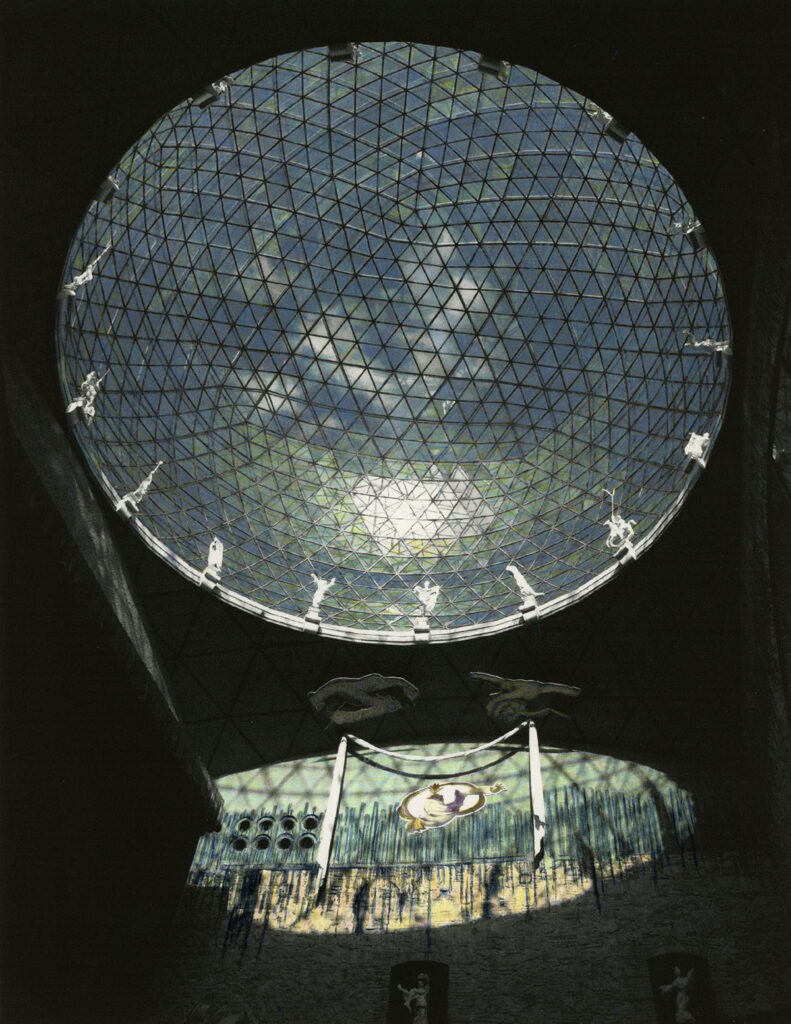
The museum houses the single largest and most diverse collection of his works. Not all of the art in the museum is by Dali; it contains his personal collection of contemporary artists too. Dali also chose to share the work that went into his creations before he began painting. Of special note is the geodesic dome over the stage which is directly above the crypt where Salvador Dali is buried. The dome was designed to resemble a fly’s eye.
Different regions of Spain saw diverse musical development, Andalusia’s flamenco included. Over time, flamenco moved into cafes to accommodate wealthy aficionados. Shortly after the turn of the 20th century. The cafes became associated with undesirable people and flamenco moved into the theatre. The performers were no longer pure gypsy. As they increased in number, many became professionals. Theatre concentrated on a more melodious sound; the idiomatic gypsy language was replaced with grammatically correct Spanish. Canto grande began to be considered crude, harsh, and primitive pushing the old-style flamenco into the background. Dance took on a more important role; it’s easier for the audience to appreciate. With performances every night, improvisation was stifled, the dance developed more precision, and the song was adapted to the dance.
The changes meant that the larger cities were the best places for flamenco. Barcelona and Madrid led the way. At the same time, in Barcelona, the Arts and Crafts movement was prominent. In the works of Picasso, Dali, and Gaudi, traditional space becomes distorted and often makes reference to nature. Gaudi’s work in particular harks back to the Moorish tradition of the Middle Ages which was also at the root of flamenco.
