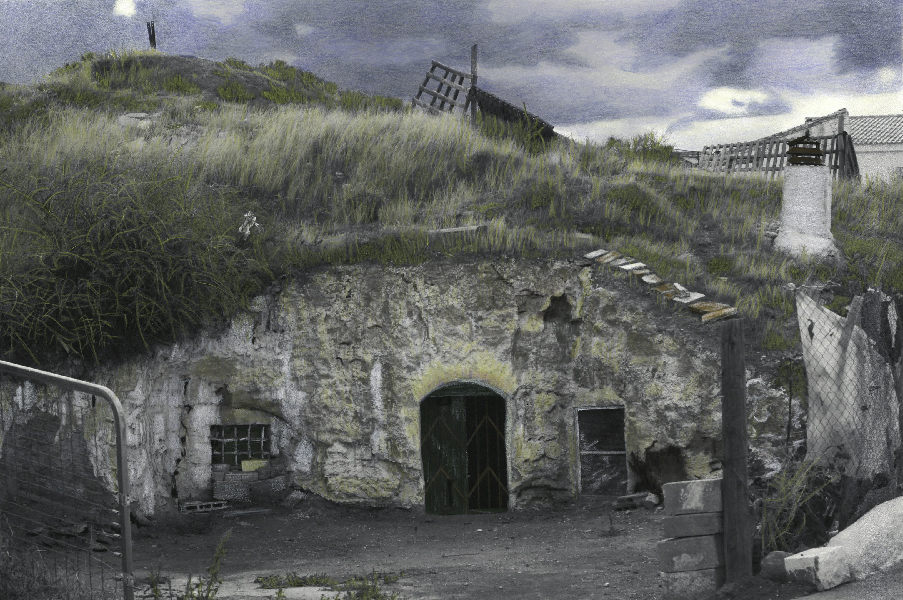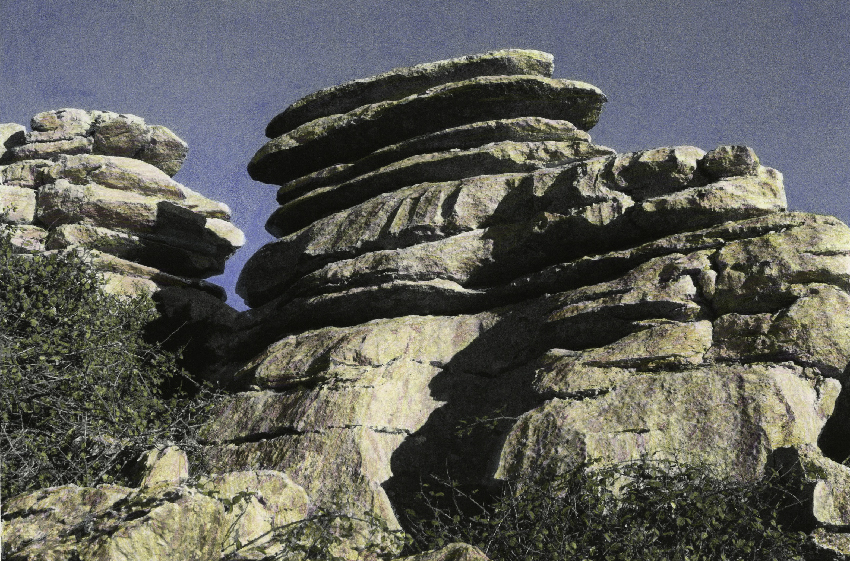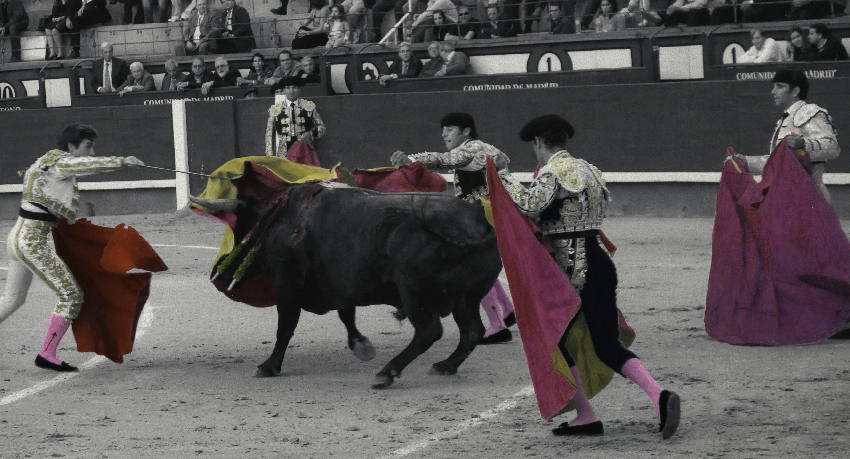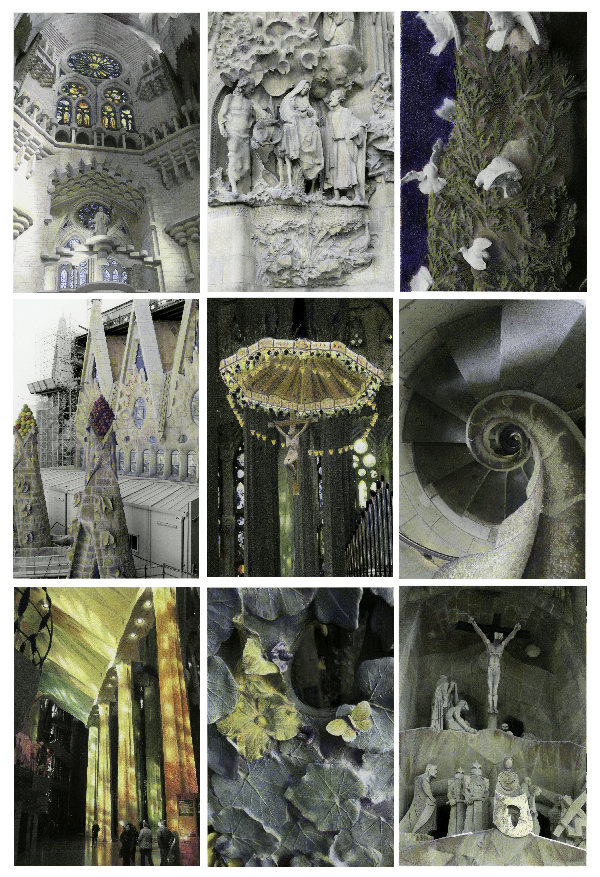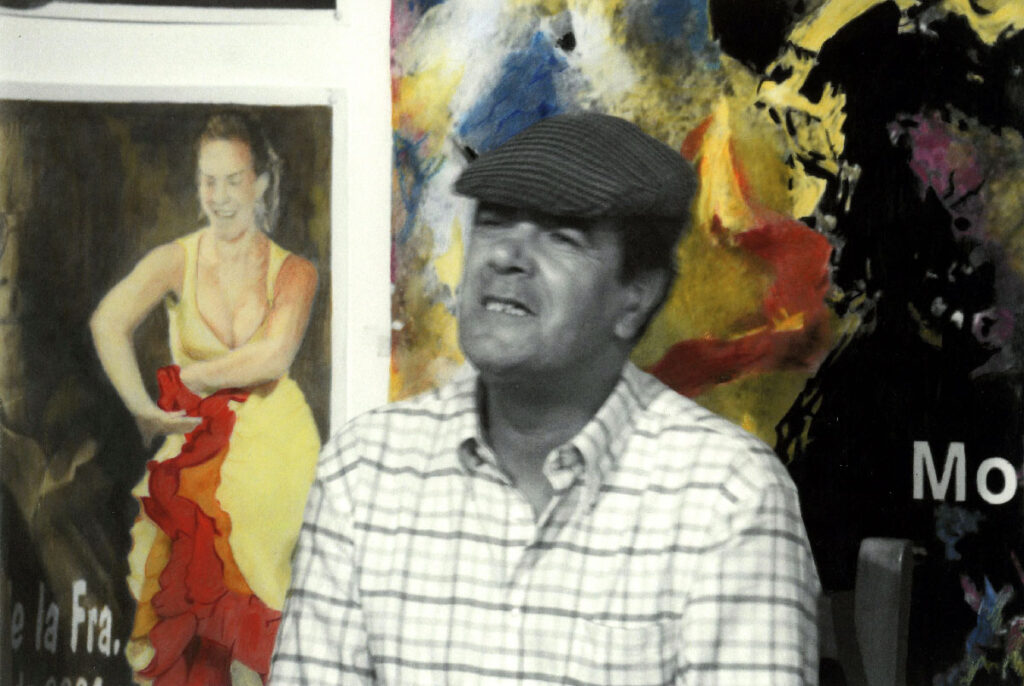
My daughter and I took a wonderful trip to Spain many years ago. She had a childhood friend studying flamenco in Seville and I had a book project in mind, so off to Andalusia we went to discover the history of flamenco’s roots.
Our trip was filled with many memories I will always cherish. I came home with thousands of pictures and a lot of knowledge of the gypsy’s life and the country where flamenco was born. Not all of the images here are available as prints but I wanted to share a bit of their history. Click on an image and you will either be taken to the prints available for purchase or to a page that tells part of the story of Andalusia, flamenco, and the gypsy’s history.
The history of flamenco has many parallels to American Blues. It encompasses a way of life that began in the rough, lower classes and was born of a race that was unsettled, emotional, and unpredictable yet appreciated by the educated and moneyed.
Song was the first and is still the most important element of flamenco. It contains elements of Jewish, Byzantine Christian, and regional folk styles blended together with strong Indian and Arab presence. The gypsies transformed these gentle, lyrical ballads into coplas (three or four line songs) in a manner more expressive of their feelings of rejection and hostility. The cantaor’s song resounds with his sense of hurt as well as that of his audience, drawing them emotionally into the performance. Flamenco songs gain their meaning from how the cantaor shapes them through improvisation; hence there is no set music.